MOVE
You don't need more exercises.
You need a better way to understand your movement.
Movement coaching for adults 40+ who want to get stronger, move with confidence, and keep doing the things that matter to them.
Schedule your 20-Minute MOVE Assessment
I personally coach every MOVE Assessment.
Not ready for coaching? Start with MOVE. Field Notes.
MOVE
Maybe your body isn't the problem.
You still exercise. You still care about your health. But something has changed.Maybe you're stiffer than you used to be. Getting off the floor feels different. Your shoulder doesn't move quite the way it used to. Or you've started avoiding things because you're not sure how your body will respond.Or maybe you're doing everything you're "supposed" to do and still don't understand what your body needs.
That doesn't necessarily mean your body is failing you.It may mean you need to start paying attention differently.
WHY MOVE EXISTS
I've spent nearly 20 years coaching movement.
And one thing still gets me. People apologize for their bodies.
"I'm sorry I haven't been consistent."
"I'm sorry I can't do what I used to."
"I'm sorry my body doesn't work the way it should."
Those apologies aren't really about fitness.They're about losing trust in what their body can do.And little by little, your world can start getting smaller.
That's why I created MOVE.
You don't need another workout thrown at you.You need to understand what's happening when you move.
Schedule your 20-Minute MOVE Assessment
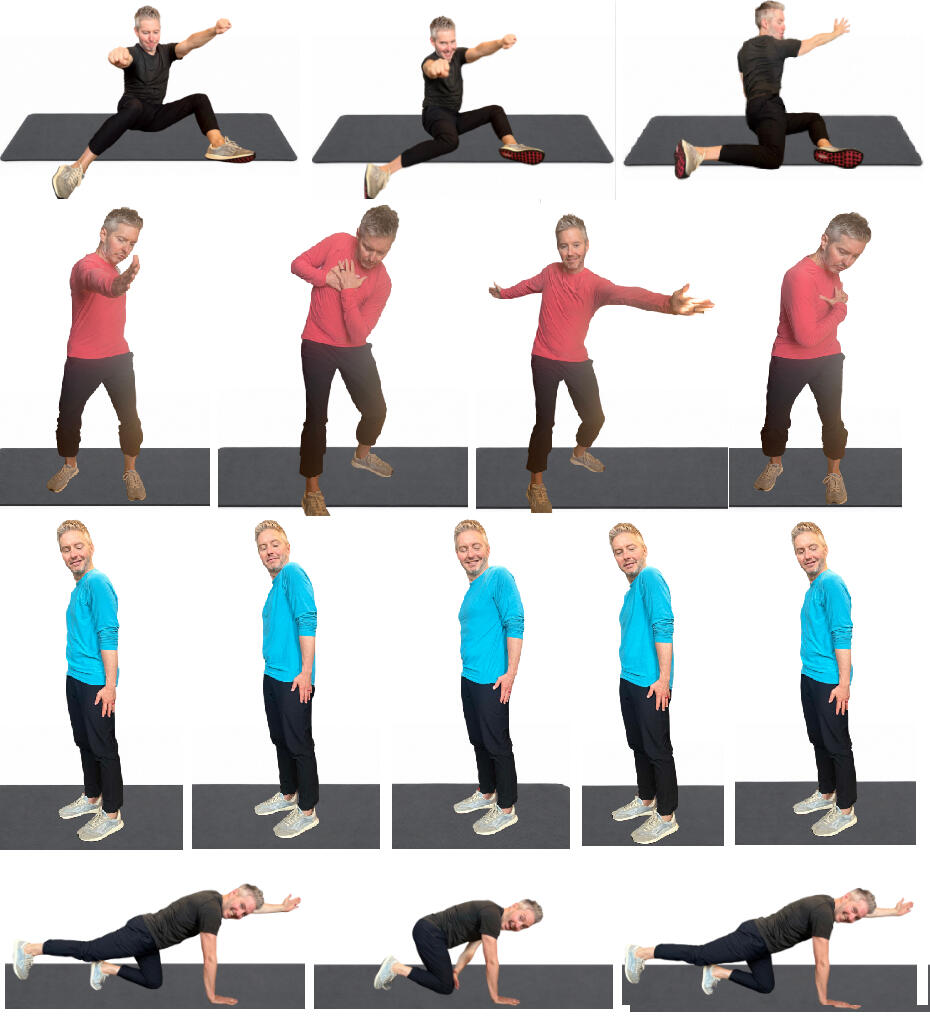
THE MOVE DIFFERENCE
Most fitness starts with:
"Here's what you should do."
I start with:
"Let's see what we can learn."
Maybe your shoulder feels stiff.
Maybe your squat feels different.
Maybe something that used to feel easy doesn't anymore.
Instead of immediately giving you five new exercises, I start by asking:
Where did you feel it?
What changed?
What surprised you?
What happens if we try it another way?
We explore what your body is doing, what changes when we adjust something, and what you can learn from it.Not to find the perfect movement.
To understand what your body can actually do today.Because when you understand your movement, you can make better decisions about your body.
The exercise gives us something to practice.
The experience gives us something to learn.
SEE MOVE IN ACTION
Here's what happens when we get curious.
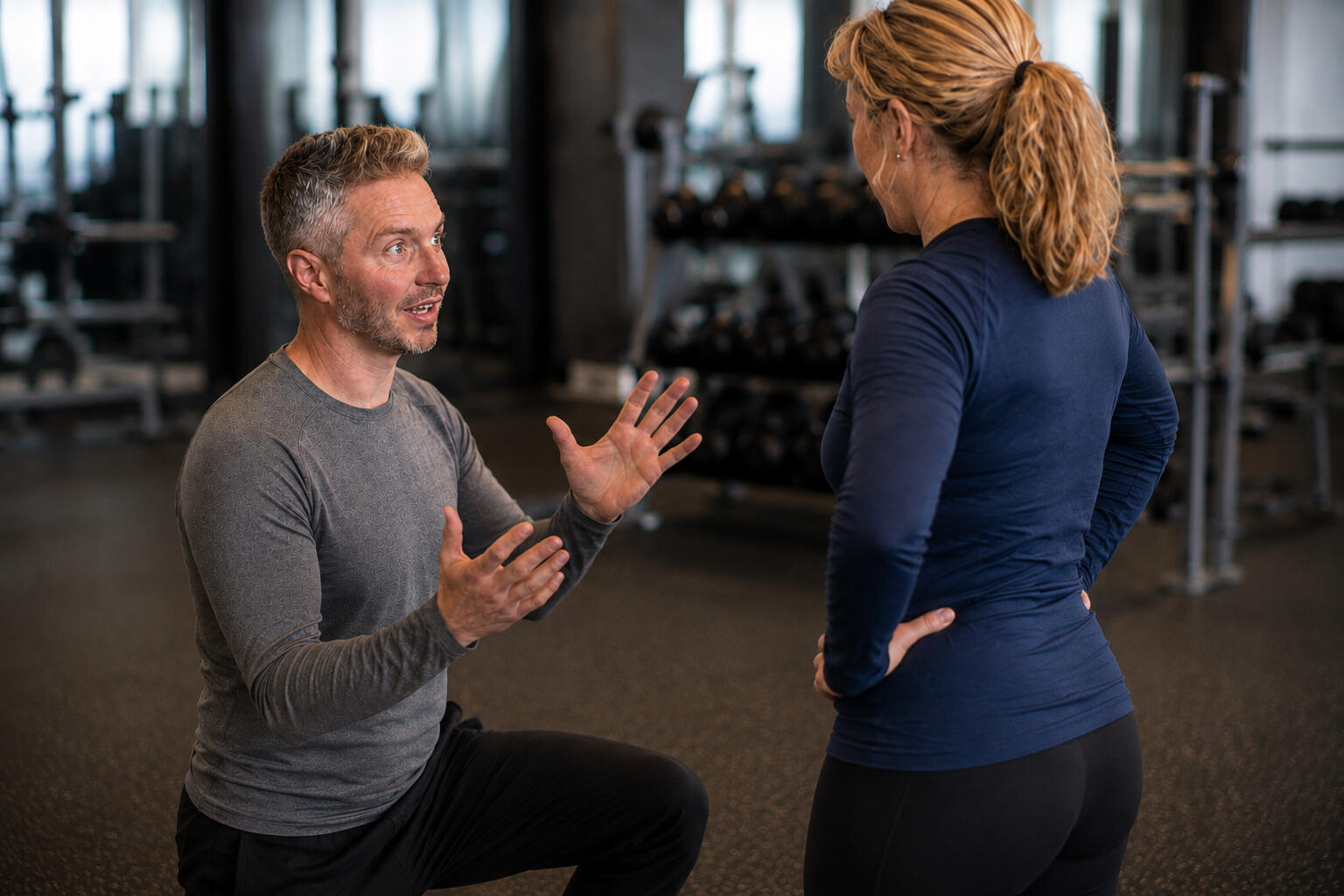
"That feels weird."
A client recovering from back surgery said this while we were exploring a movement.
My first response wasn't, "Stop."It was:
"Tell me more."
Where does it feel weird?
When does it feel weird?
What changes when we adjust the movement?
We slowed down, explored what she was experiencing, and changed the movement slightly.
Unfamiliar doesn't automatically mean wrong.
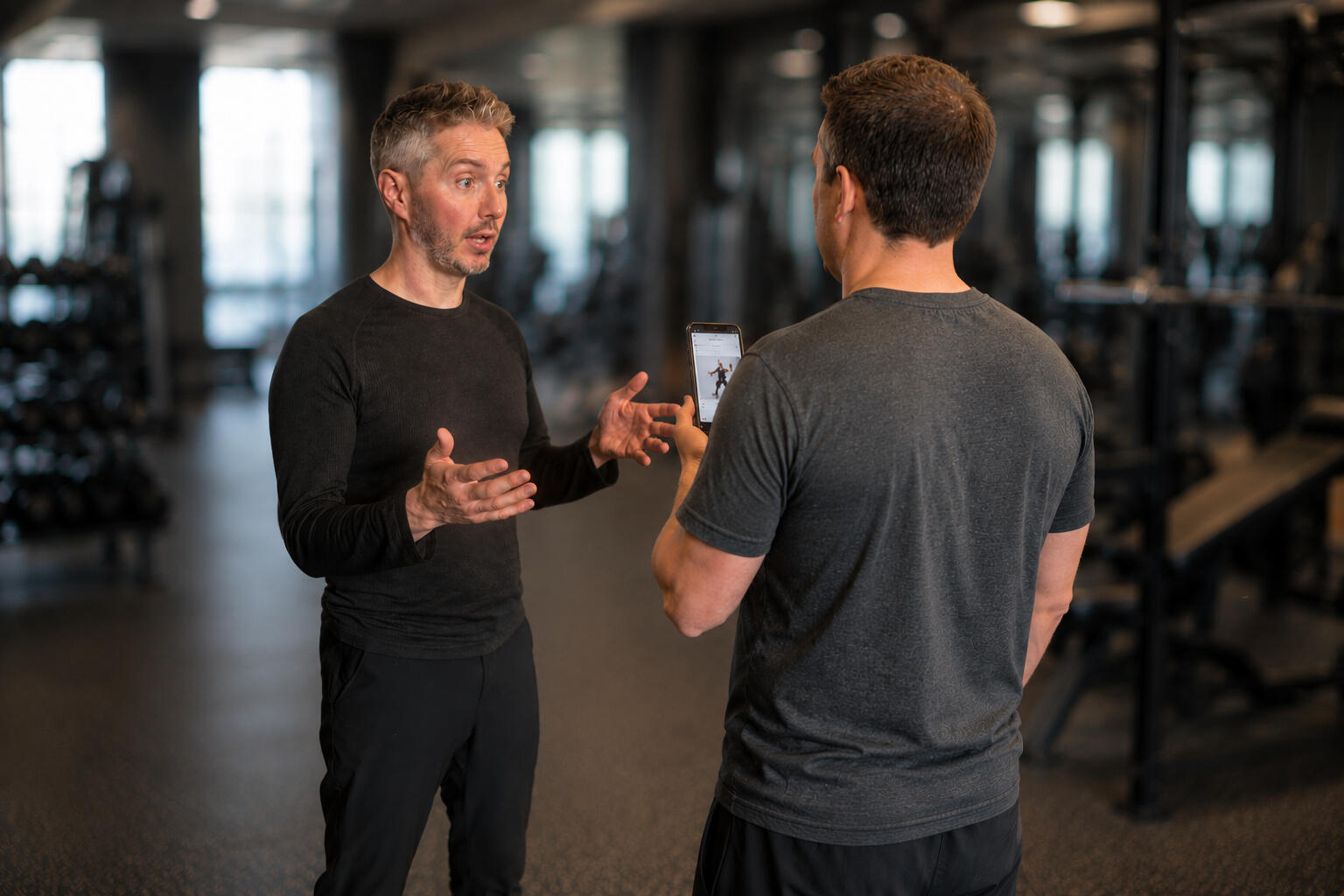
"I saw this exercise online."
A client came in with an exercise she'd found online.
It looked like a good exercise.
But before we decided whether she should do it, we needed to see if her body could actually do what the exercise required.
What position does it put you in?
Can you get there?
Can you control it?
What happens when we change the demand?
An exercise doesn't know who's doing it.
Schedule your 20-Minute MOVE Assessment
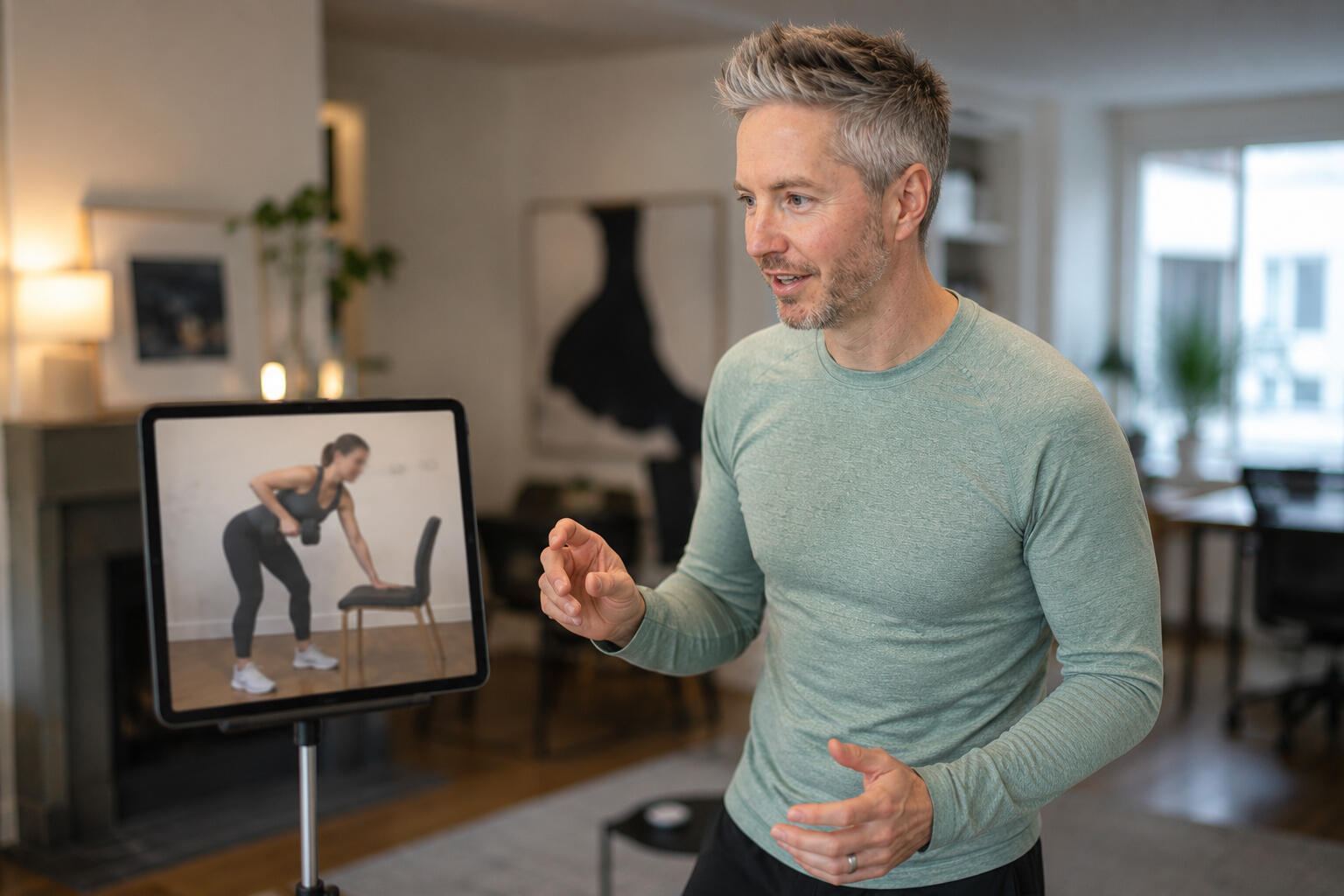
"I don't feel my back."
A client was doing a row but wasn't feeling it where she expected to.
Instead of giving her another back exercise, we changed the position.
We explored what her shoulder was doing.
Then we tried the row again.
"What changed?"
The goal wasn't simply to make the row better.
It was to make the movement clearer.
That's the difference.
You don't just leave with exercises.
You leave understanding something about your movement that you didn't understand before.
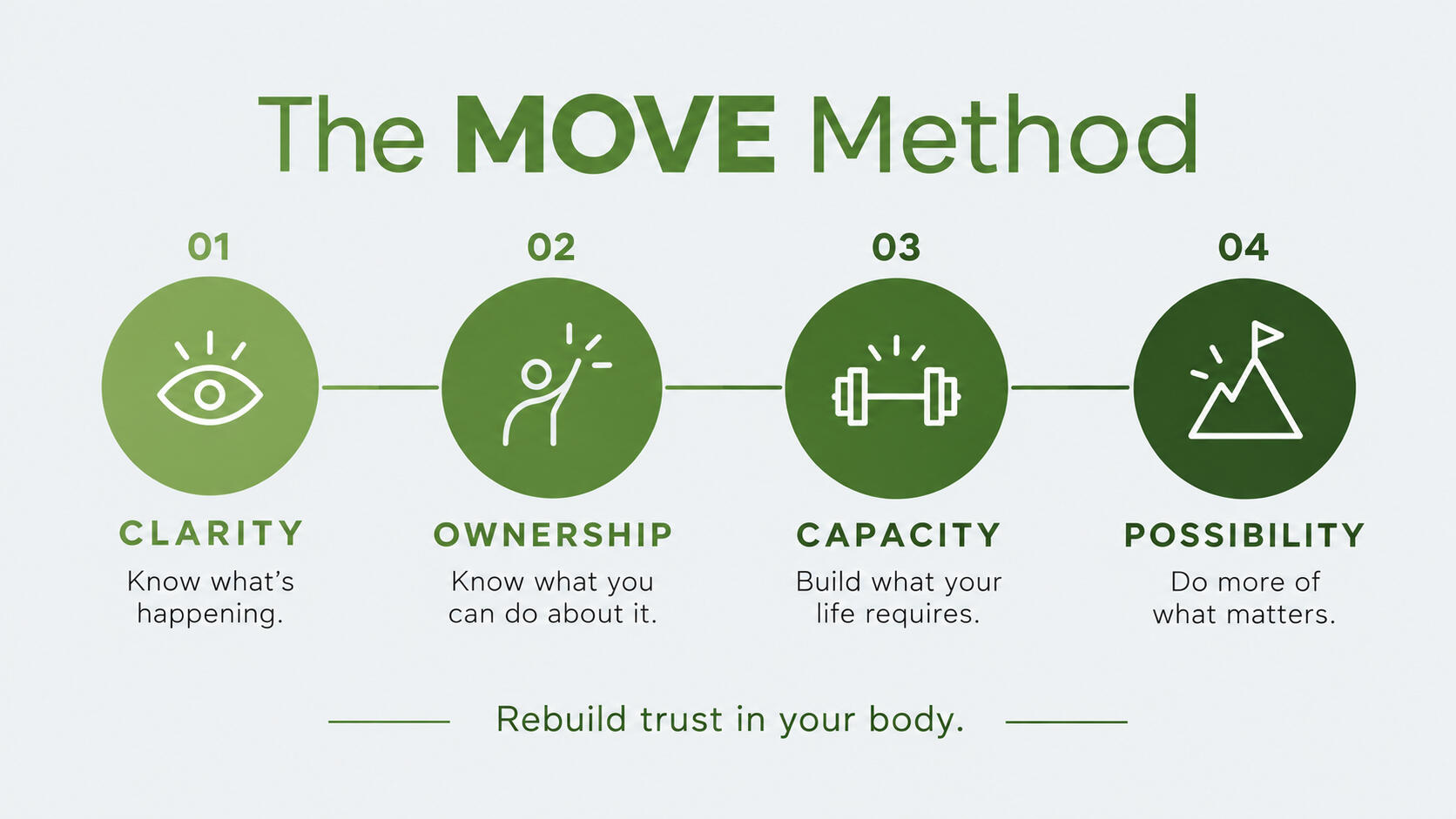
THE MOVE METHOD
CLARITY = Knowing what's happening in your body.OWNERSHIP = Knowing what you can do about it.CAPACITY = Building what your life requires.POSSIBILITY = Doing more of what matters.
The goal isn't to become better at exercise.
It's to become better at using your body.
Enjoy practical ideas to move better, feel stronger, and trust your body again.
You're not training for the workout.
You're training for what it makes possible.
Getting on the floor.
Carrying your suitcase.
Taking the stairs.
Traveling.
Hiking.
Doing something you weren't sure you could still do.
It's not about getting your old body back.It's about understanding and developing the body you have now.
Schedule your 20-Minute MOVE Assessment